- COMMERCIAL GARAGE DOOR REPAIR
- GARAGE DOOR OPENER INSTALLATION
- GARAGE DOOR SPRING REPAIR
- SAME-DAY GARAGE DOOR REPAIR
- CUSTOM GARAGE DOOR
- GARAGE DOOR OPENER REPAIR
- GARAGE DOOR TRACK REPAIR
- GARAGE DOOR CABLE REPAIR
- GARAGE DOOR PANEL REPAIR
- LOCAL GARAGE DOOR REPAIR
- GARAGE DOOR REPLACEMENT
- NOISY GARAGE DOOR FIX
- GARAGE DOOR INSTALLATION
- GARAGE DOOR SECTION REPLACEMENT
- OVERHEAD GARAGE DOOR REPAIR
Torsion vs Extension Springs What You Need to Know Before a Repair
When your garage door is acting up, it’s tempting to blame the door itself. However, the real culprit is often the springs. Garage door springs play a critical role in the smooth operation of your door, and understanding the difference between torsion and extension springs can save you time and money when seeking garage door spring repair services.
This blog will walk you through the key differences between these two types of springs, their roles, and how knowing the basics can help you make an informed decision before your next repair.
Why Garage Door Springs Matter
Garage door springs handle the immense weight of your door, making it easy to open and close. Over time, wear and tear can cause springs to weaken or break, leading to operational issues or even safety risks. This is why timely and professional garage door spring repair is essential.
But before you schedule that repair, it’s helpful to know which type of spring your system uses. The two main types are torsion and extension springs, and they each work in very different ways.
Torsion vs Extension Springs Key Differences
How They Work
- Torsion Springs
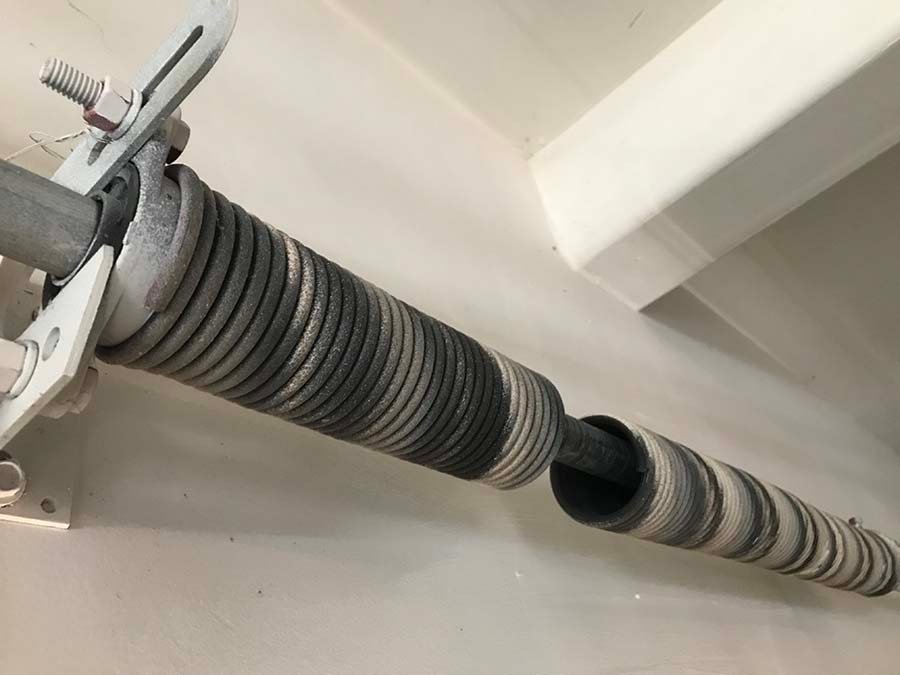
Torsion springs are mounted horizontally above the garage door. They operate by twisting or coiling to store energy. When you open your garage door, the spring unwinds, releasing stored energy to lift the door smoothly. This makes torsion springs an efficient and durable choice.
- Extension Springs
Extension springs, on the other hand, are installed on either side of the door and stretch to absorb and store energy when the door is closed. When the door opens, the springs contract, using the stored energy to assist in lifting. While effective, extension springs tend to wear out faster due to the constant stretching and contracting.
Durability and Maintenance
- Torsion Springs Durability
Due to their design, torsion springs have a longer lifespan compared to extension springs. They endure less stress during operation, which means fewer repairs and less frequent replacements over time.
- Extension Springs Wear
Extension springs might be more economical upfront, but their shorter lifespan and higher chances of snapping make them less durable. They could require more frequent replacements and tighter monitoring for wear and tear.
Performance and Safety
- Torsion Springs Offer Stability
Torsion springs distribute weight more evenly, allowing for smoother, more controlled door movement. This also makes them safer to use, as they’re less likely to snap under pressure.
- Extension Springs Higher Risk
Extension springs tend to be more volatile. If one snaps, it can cause significant damage to your garage door or even pose safety risks unless the spring system includes safety cables
Contact Garage Door Repair Bradenton for Expert Help
Faulty garage door springs can impact your safety and daily convenience. Whether you have torsion or extension springs, ensuring they’re in top-notch shape is crucial. At Garage Door Repair Bradenton, our experts specialize in diagnosing, repairing, and replacing garage door springs to restore your system’s performance.
Don’t wait until a minor issue becomes a big problem. Contact us today to schedule your repair and keep your garage door operating smoothly!